Best Natural Menopause Supplements That REALLY Work
February 19, 2024
From The Tamsen Show: Episode
90
with
Phil Cowley
Listen to this episode on




February 19, 2024
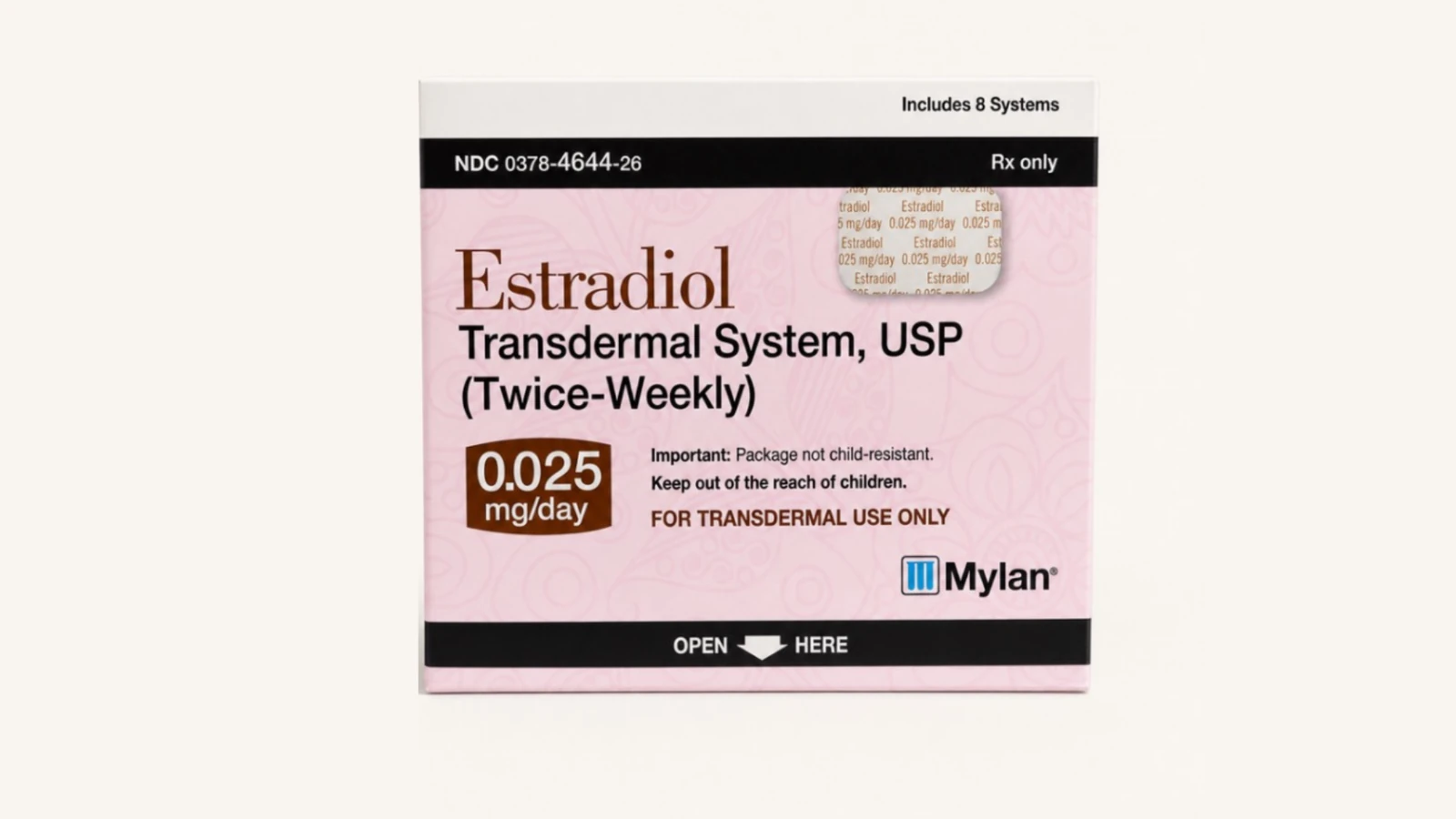
When the hot flashes, night sweats and brain fog of menopause hit me, hormone therapy was the biggest change I made. Alongside it, I added a few supplements to my routine, and I get asked about them constantly. Here's what I take, why, and what I'd want any friend to know before she tries them.
A quick word first. Supplements aren't a replacement for medical care, and “natural” doesn't mean they're right for everyone. Some interact with medications, so bring any new supplement to your doctor or pharmacist before you start.
Maca powder. Maca is a root from Peru that many women use for energy, mood and libido during menopause. I add a spoonful to my morning smoothie. The research on maca is still small, so think of it as something to try with your doctor's blessing rather than a proven fix.
5-HTP. Your body uses 5-HTP to make serotonin, which is why some women take it for mood and sleep. This is the one to be most careful with: it shouldn't be combined with antidepressants or other medications that raise serotonin. Ask your doctor first.
Vitamin D3. Vitamin D works with calcium to protect your bones, and bone loss speeds up after menopause. Many women are low without knowing it. A simple blood test tells you where you stand and how much to take.
Black cohosh. This is one of the most popular herbal supplements for hot flashes, and some women swear by it. The evidence is mixed. In its 2023 review of non-hormone treatments, The Menopause Society didn't recommend herbal supplements like black cohosh for hot flashes because studies haven't shown a consistent benefit. If you try it, tell your doctor, especially if you have liver problems.
Start with one supplement at a time so you can tell what's helping. Choose brands that are third-party tested. Write down your symptoms for a few weeks so you have something to compare against; my free symptom tracker makes that easy. Then talk it through with your doctor, the same way you'd talk through hormone therapy.
As women in midlife, we have to keep having this conversation with each other and with our doctors. Supplements can be part of the picture, but they work best alongside sleep, strength training, good food and, for many of us, the right medical treatment.
The information provided in this article is for educational and informational purposes only and is not intended as medical advice. Always consult with a qualified healthcare professional regarding any medical concerns or treatment options. The views expressed by guests are their own and do not necessarily reflect those of The Tamsen Show.